Fall In Love With Senescence, Keeping the Garden a Spectacle 12 Months of the Year
noun: senescence
- the condition or process of deterioration with age.
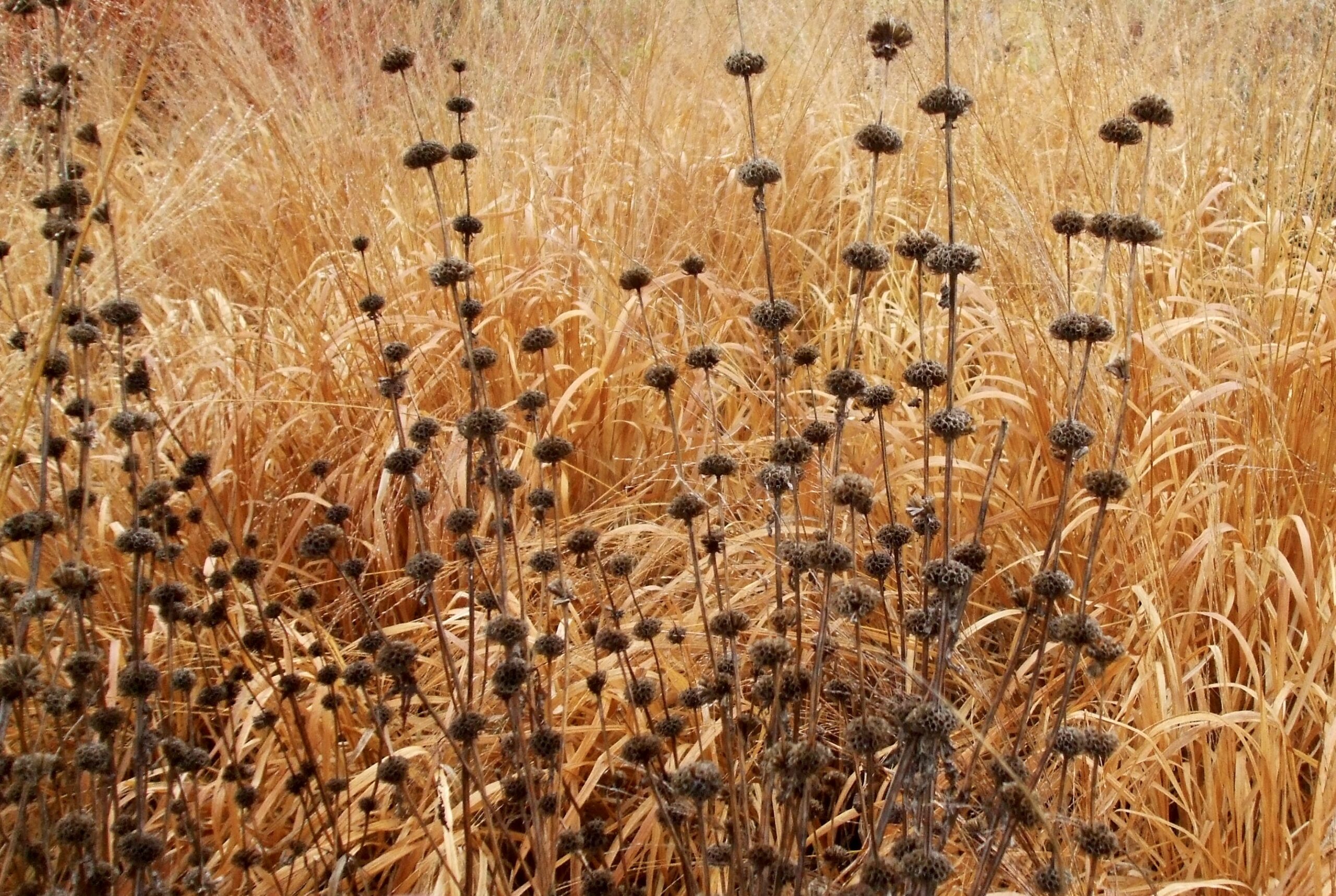
Winter is coming. There is however no need for the gardener or garden visitor to go into hibernation. The process of senescence in perennial plants leads to a different kind of beauty.
Visit RHS Wisley between Christmas and March and you will be blown away by the display of winter plantings. The designated ‘winter garden’ features stunning shows of Dogwood, Edgeworthia and Rubus. Topiary and clever landscaping also comes into its own in winter, extenuated by frost and low winter sun.
For me however the real wow factor is provided by the senescent etherial beauty of the new perennial planting borders. Dry, desiccated and bleached of summer exuberance. Defiantly exceeding their glorious youth with unrivalled staying power and stately presence. Yet such borders are rare in public parks where bare soil becomes the default norm. Their planning and creation rarely even considered by the majority of gardeners.
The traditional winter season in the garden lasts, broadly speaking, from the plant zapping effect of the first frosts to the bud bursting exuberance of spring growth. Gardening programmes go off air, glossy gardening magazines dust down articles on snowdrops and hellebores and the Gods of garden writing, broadcasting and design disappear to exotic climes posting back enticing photos on their social media accounts.
Yet never has it become more vital to make the most of winter sunshine and restorative fresh air. In this of all years getting outside and strolling through gardens and parks is vital. At between a quarter and a third of the year the hiatus of this gardening close season is excessive and wasteful.

Stars of the winter manifestation of a perennial border must earn their place for both their summer and winter attributes. They should be capable of holding their form and structure.They should not collapse into a soggy heap. If chosen correctly the same plants that starred in summer can sparkle in winter. Colourful blooms are replaced by wondrous seed heads held on still regimentally upright stems. The winter colours of perennials and grasses stems are often even more striking in their winter greys, browns, fawns and russets than in their summer green.The very rarity of beauty in a drab monochrome season enhances their welcome. Some residual green from structural standards like Euphorbia are still available to add contrast and rhythm to the border.
Grasses and perennials will not use up any more nutrients during the winter if their above ground growth is left to decay gracefully rather than cut to the ground. Indeed last seasons now brown and brittle growth acts to protect root balls and tubers from the frost above. Wildlife is encouraged.Seed heads provide food and shelter for birds and insect predators. Mould and fungus produced and fed by foliage decay is natural and often beneficial to soil health.
So don’t spend winter huddled up by the fire, prone to Seasonal Affected Disorder, and counting down the long months until Spring. If you planned and planted wisely during the previous seasons you can now pull on the long johns, wrap up in thermals and get out an enjoy the garden in winter. Plan and experiment for the winter season and welcome its commencement like you welcome new growth in Spring, exuberance in Summer and the beauty of the Fall. Get excited by the opportunities, the beauty and the gardening sense of achievement that embracing the senescent form of plants can bring.

Steps to Encourage Acceptance of Winter Borders
- Continue Gardeners World and similar TV programs throughout the winter months.
- Educate. Dispel the attitude that if a border isn’t reduced to bare soil in winter it is ‘unkept’, ‘messy’, ‘neglected’ and ‘wild’.
- Discourage the traditional gardening language of late autumn. Ban the use of ‘tidy up’ ‘put the garden to bed for winter’ and ’prepare for the season of rest’.
- Seed catalogues to include pictures of the winter form of plants.
- Care calendars to discourage an undiscriminating Autumn chop.
- Hold garden shows and festivals in the winter months
- Garden centres keep suitable perennials on the shelves and preferably on route to the Christmas trees.
- Municipal pruning of grass and perennial borders delayed ( really disappointed when visiting Kew in January (it’s cheaper) to find the grass garden cut to the ground). Selectively strim when the first new spring growth begins to appear.
- Build on the municipal and corporate acceptance of ‘meadow’ planting by including more structural grasses and perennials in the plant matrix.
12 Plants to get you Outside in the Winter
Agastache rugosa
Echinacea purpurea
Eryngium giganteum ‘Silver Ghost’
Rudbekia maxima
Perovskia ‘Blue Spire’
Phlomis tuberosa ‘Amazone’
Veronicastrum virginicum ‘Fascination’
Calamagrostis ‘Karl Forrster’
Panicum virgatum ‘Northwind’
Calamagrostis ‘Karl Forrster’
Miscanthus sinensis ‘Flamingo’
Pennisetum macrourum